Understanding Colors in Real Estate Photography
Color affects how buyers perceive a home online — paint, lighting, editing, and even the screen you're viewing on all shift what they see.
TL;DR
- Color in listing photos is shaped by paint, lighting, reflective surfaces, and even the screen the buyer views on — not just the walls.
- Neutral palettes photograph best; professional editing corrects color casts from warm bulbs, cool shade, and greenery reflections.
- Listing photos show the home at its best — they're not a paint-color match, so buyers shouldn't use them as a swatch.
- Before the shoot: replace mismatched bulbs, open blinds, clean reflective surfaces, and remove highly colorful clutter.
Color plays a much bigger role in real estate marketing than most people realize. It affects how a room feels, how buyers perceive the condition of a home, and whether a listing looks bright, clean, warm, modern, dated, cozy, or even smaller than it really is.
At Shoot2Sell, our goal is always to create professional, accurate, high-quality images that help buyers understand the property while presenting it in the best possible light. That means color matters, but not always in the way people expect.
These color dynamics show up across every Texas market we cover. North Texas builder palettes lean greige and warm white, the Austin modern aesthetic skews cooler, Houston Hill Country interiors mix warm woods with white shaker, and San Antonio Spanish revival brings deep terra cotta and saturated tile that photograph especially carefully. Every metro has its own dominant palette, and its own color-correction quirks.
Why color matters in real estate listings
When buyers browse listings online, they are making quick decisions. Before they read the description or study the floor plan, they react to the photos. Color influences that reaction immediately.
A home with clean, balanced colors often feels:
- Brighter
- Fresher
- More spacious
- Better maintained
- Easier to imagine living in
On the other hand, poor color can make a home feel darker, older, or less appealing, even if the home itself is beautiful.
Sometimes the issue is paint color. Sometimes it is lighting. Sometimes it is the camera trying to balance multiple color temperatures at once. And sometimes it is simply how different surfaces reflect light.
The 2024 NAR Profile of Home Buyers and Sellers reports that 96% of buyers used the internet during their home search, and listing photos are the feature buyers consistently rank as most useful. Color quality is one of the most-cited reasons a beautiful home photographs poorly online. Color casts and white-balance errors are common culprits, even on listings shot with good cameras.
Paint colors and buyer perception
Paint colors are personal, but real estate photography is about broad appeal.
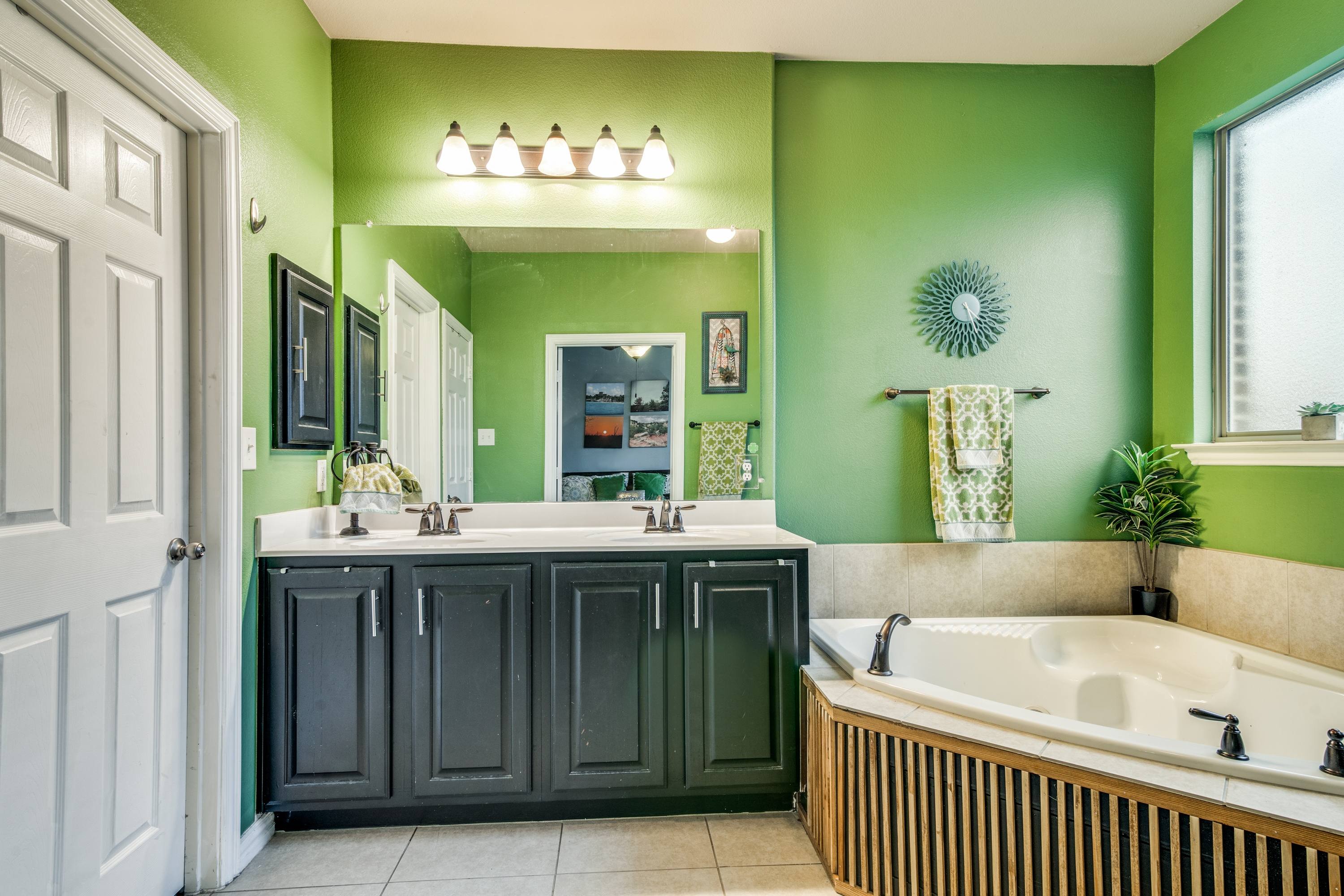
Bold colors can be beautiful in person, but they may dominate a room in photos. Bright reds, deep blues, dark greens, strong yellows, or highly saturated accent walls can pull attention away from the space itself. Instead of noticing the size of the room, the flooring, the windows, or the layout, buyers may focus only on the wall color.
Neutral colors usually photograph best because they let the room breathe. Soft whites, warm grays, light beiges, greiges, and muted earth tones tend to create a clean, flexible backdrop.
That does not mean every home needs to be plain white. A little warmth and personality can help a listing feel inviting. The key is balance.
White is not always simple
Many sellers assume white walls are automatically the easiest to photograph. Sometimes they are, but white can also be tricky.
White walls reflect whatever color is around them. If a room has warm bulbs, the walls may photograph yellow. If there is heavy greenery outside the windows, the room may pick up a green cast. If the floors are dark wood, the walls may appear warmer or slightly orange. If there is blue sky or shaded light coming through the windows, the walls may look cooler.
This is why professional editing is important. The goal is not to make every wall look artificially pure white. The goal is to make the image feel natural, clean, and believable.
Lighting changes color
One of the biggest reasons colors look different in photos is lighting. A room may have several different light sources at the same time:
- Warm interior bulbs
- Cool daylight from windows
- Reflections from flooring or countertops
- Colored light bouncing from nearby walls, trees, brick, or exterior surfaces
The human eye adjusts to these differences naturally. Cameras capture them more literally. That can create situations where one part of the room looks warm and another part looks cool.
Professional real estate photography and editing help balance these differences so the final image feels consistent and attractive without looking fake.
Why colors may look different online
Even with careful photography and editing, colors can look different depending on where they are viewed. A listing photo may appear slightly different on:
- A phone
- A laptop
- A desktop monitor
- MLS platforms
- Social media
- Printed flyers
Every screen displays color differently. Brightness settings, screen quality, color calibration, and even night-mode settings can affect how images appear.
This is especially important for paint colors, flooring, cabinets, and countertops. Listing photos should represent the home well, but buyers should not use photos as an exact color match for paint, stain, or material selection.
The difference between accurate and appealing
Real estate photography has to balance two goals: accuracy and presentation.
Images should not misrepresent the home. At the same time, professional photography is meant to show the property at its best. That may include correcting color casts, improving brightness, balancing interior and exterior light, and making sure the photos feel polished.
For example, if a room photographs too yellow because of warm bulbs, we may adjust the color so the space feels more natural. If a shaded exterior looks too blue, we may warm it slightly. If mixed lighting causes cabinets or walls to look off-color, we may correct the image so the room feels closer to how it appears in person.
Good editing should enhance the property without misleading the buyer.
Colors that commonly cause issues
Some colors are more challenging than others in real estate photos.
- Strong reds and oranges can reflect onto nearby walls, ceilings, and floors.
- Deep blues and greens can make rooms feel darker or heavier online.
- Yellow lighting can make white walls, cabinets, and trim look dated.
- Very dark paint colors can look dramatic in person but may reduce the feeling of space in photos.
- Glossy surfaces can reflect color from windows, furniture, flooring, or nearby rooms.
- Wood tones can shift warmer or cooler depending on lighting and editing.
None of these are “bad” choices. They simply require more care when photographing and presenting the home.
Should sellers repaint before photos?
Not always.
If the home is clean, well-maintained, and the colors work with the style of the property, repainting may not be necessary. But if the colors are very bold, very dark, highly personal, or inconsistent from room to room, repainting can help improve buyer appeal.
For most listings, the safest choices are light, neutral, and consistent colors. These help buyers focus on the space rather than the seller’s personal style.
If repainting is not practical, staging, lighting choices, decluttering, and professional photography can still make a big difference.
How to prepare colors for a photoshoot
Before your real estate photography appointment, a few simple steps can help colors photograph better:
- Open blinds and curtains where appropriate so natural light can help the room feel bright.
- Replace mismatched bulbs, especially within the same room, mixing warm yellow with cool white makes color correction harder.
- Turn on lamps and built-in lighting if they add warmth and atmosphere; avoid bulbs that are extremely yellow or dim.
- Remove highly colorful clutter where possible, bright objects can distract and reflect color onto nearby surfaces.
- Clean reflective surfaces: mirrors, glass, stainless steel, and glossy countertops.
These small details help the final photos feel cleaner and more consistent.
Exterior colors matter too
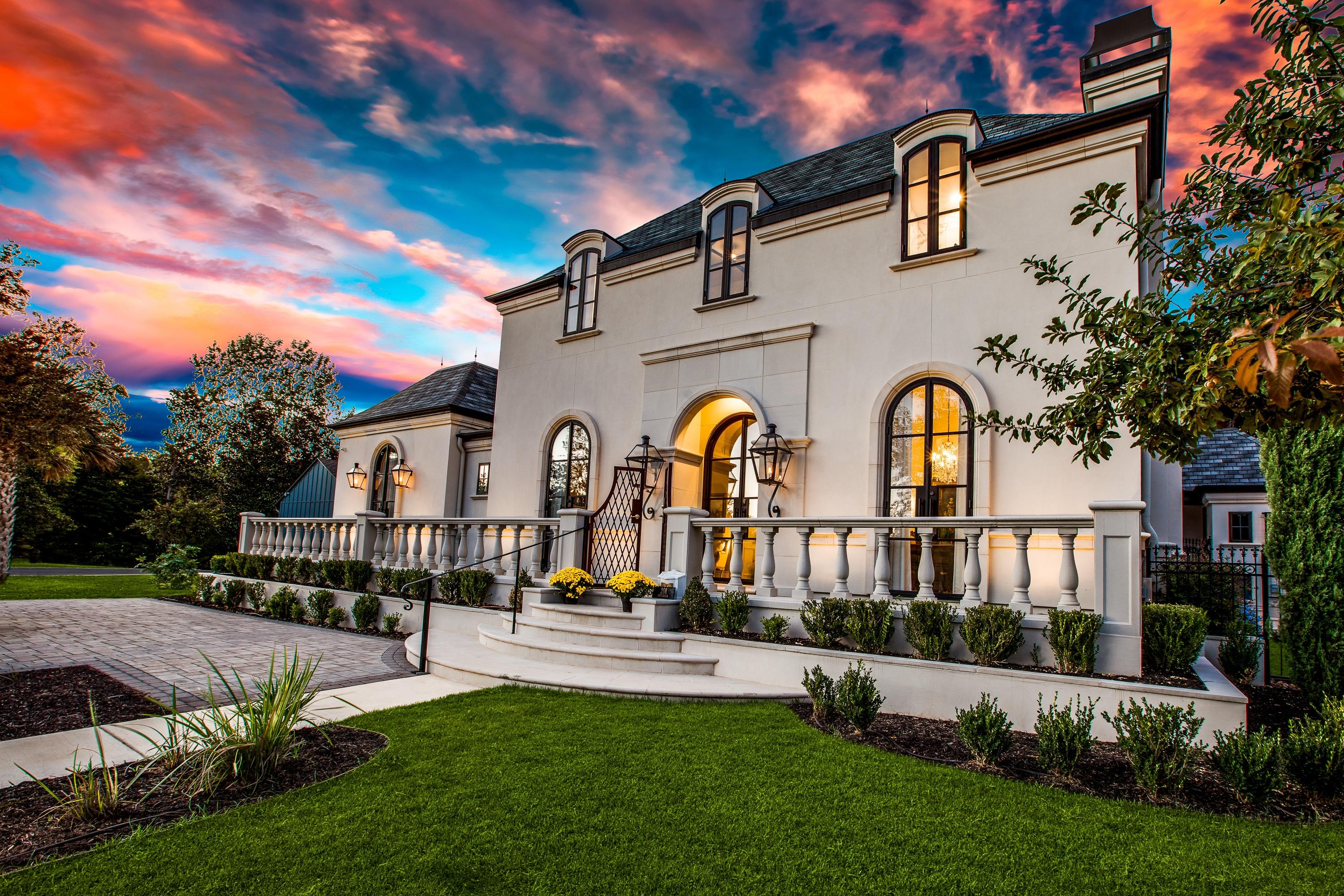
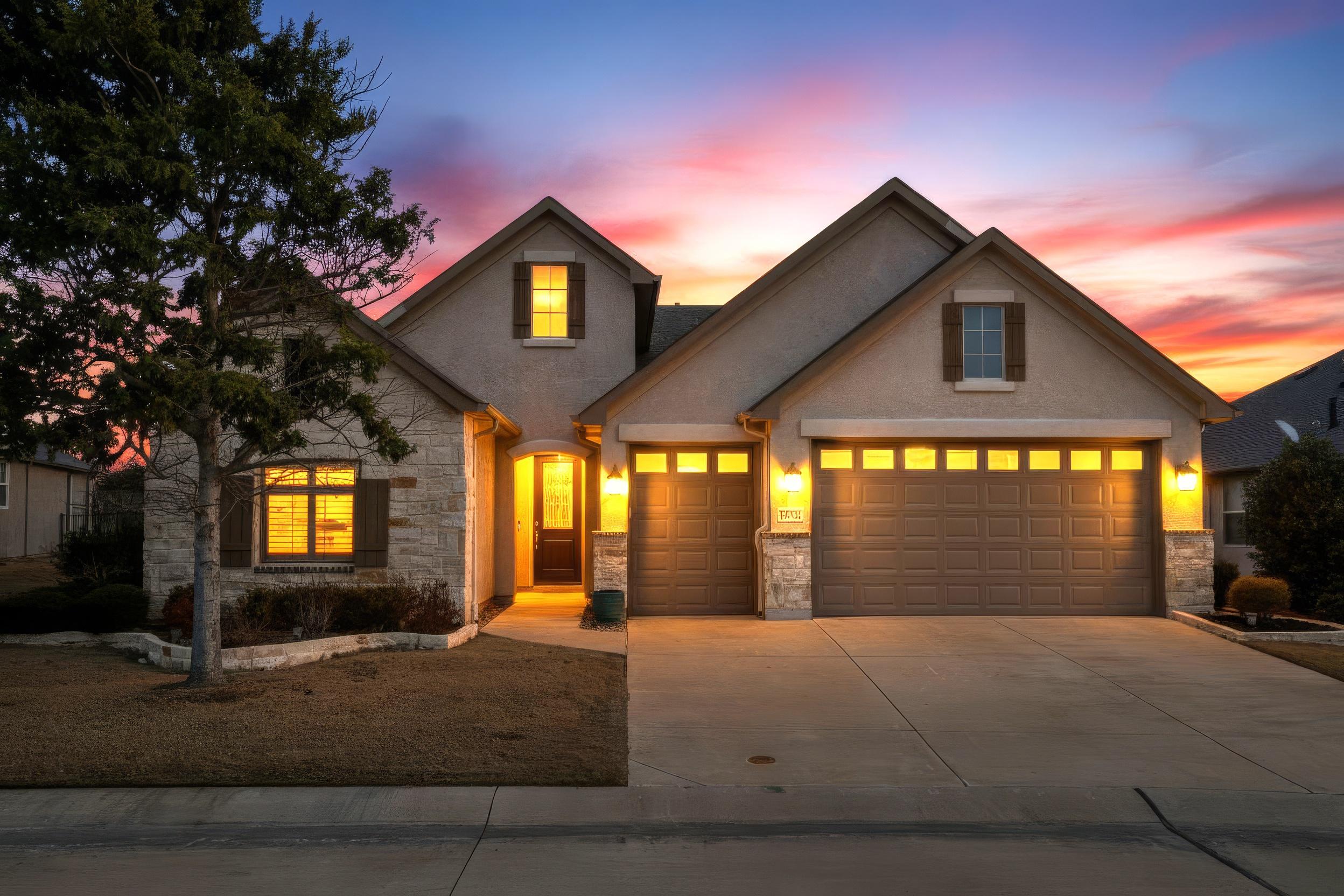
Color is not only an interior issue. Exterior photos are affected by sun direction, weather, landscaping, brick, stone, paint, roofing, and shadows.
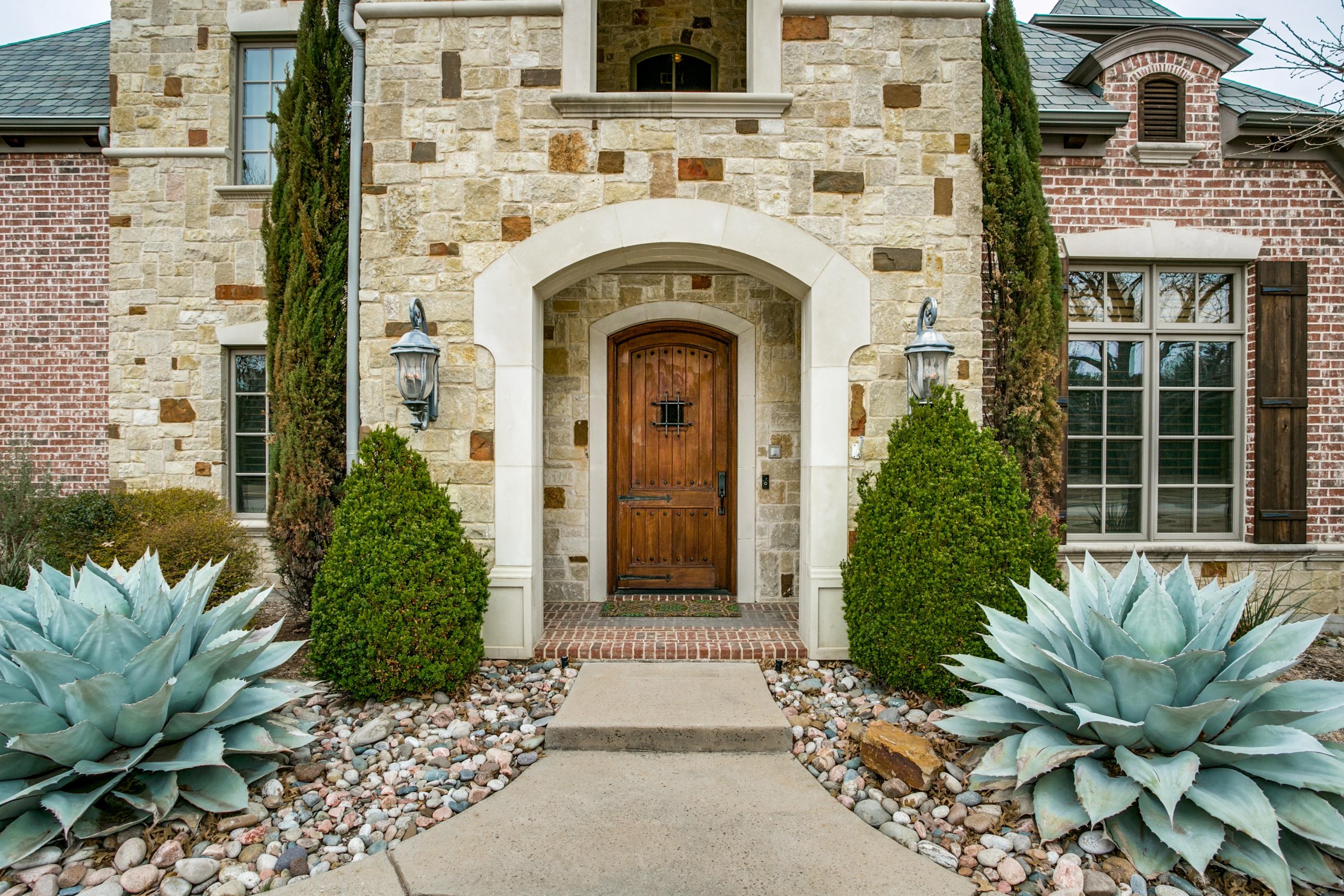
A home may look warmer in late afternoon light and cooler on an overcast day. Brick can photograph differently depending on whether it is in direct sun or shade. Grass, trees, and landscaping can add green reflections to white trim or light-colored siding.
This is one reason appointment timing can matter. The best time of day depends on the direction the home faces, the season, tree coverage, and the overall look you want to achieve.
Final thoughts
Color is one of the most important parts of how a home feels online. The right colors can make a space feel fresh, bright, and inviting. The wrong color balance can make even a beautiful home feel less appealing.
Professional real estate photography helps manage these challenges by balancing lighting, correcting color casts, and presenting the home in a clean, accurate, attractive way.
At Shoot2Sell, we pay attention to these details so your listing photos do more than simply document the property, they help buyers connect with it.
Related Articles
More from the Shoot2Sell blog on related topics.